Pimp My Ride 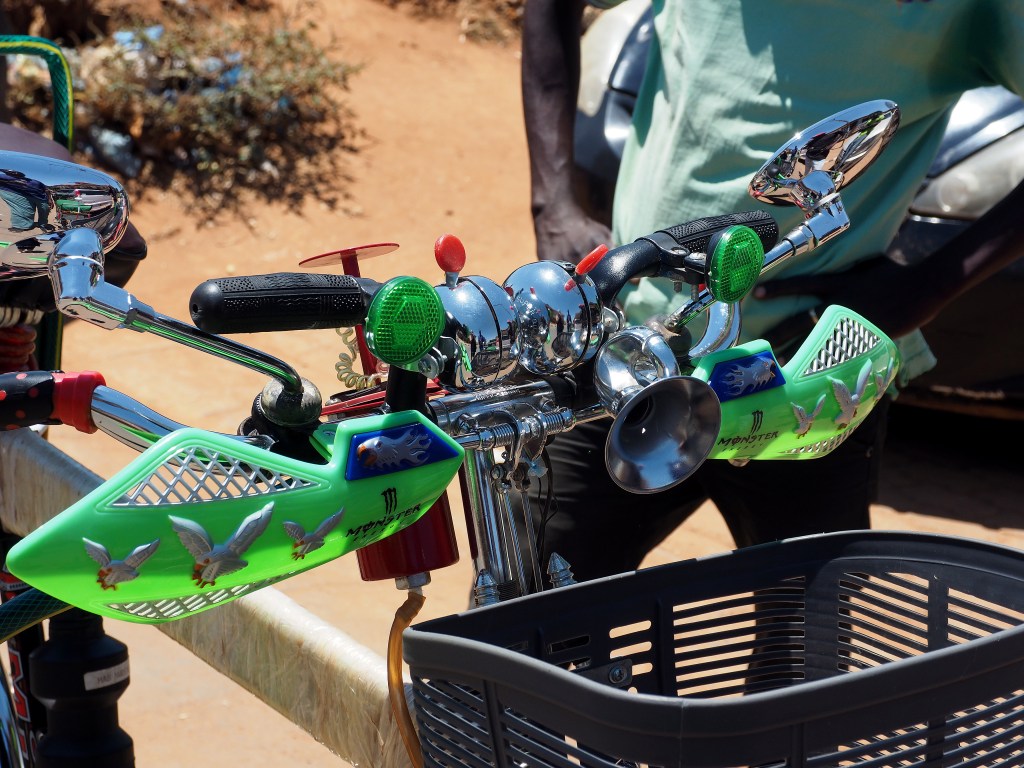
Taxi
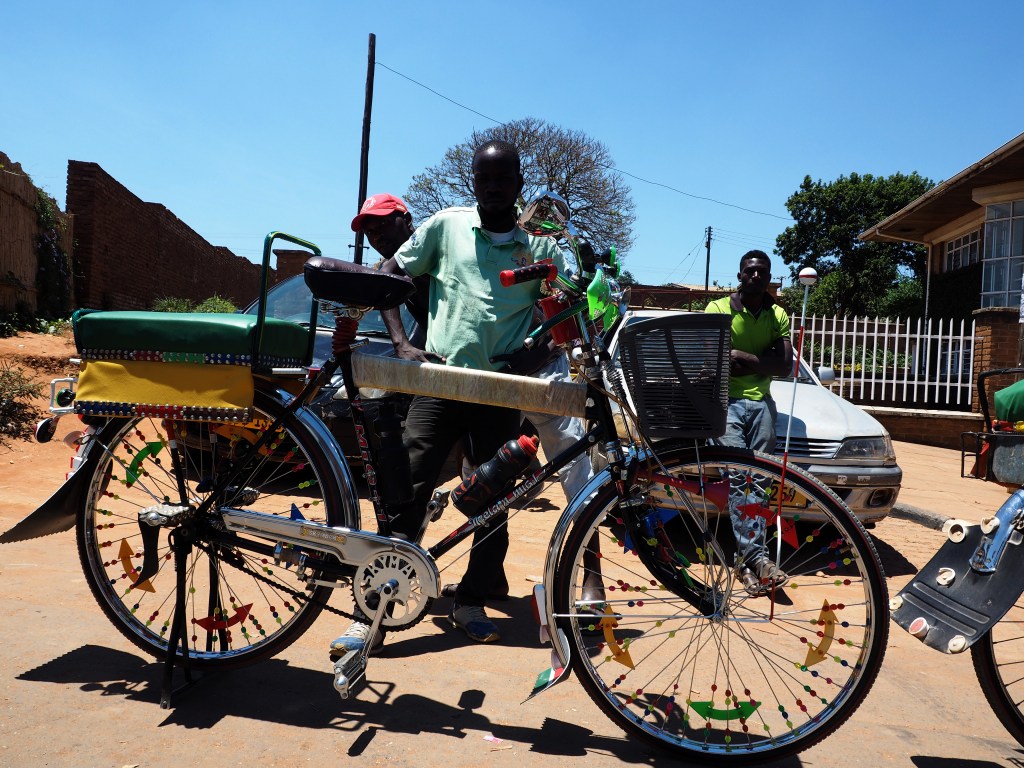
Malawians sure know how to pimp their rides. Taxis, as we know them in South Africa are reserved for long distance travel. Short distances, within the city, are almost exclusively the domain of bicycles. Fitted with a comfy seat over the back wheel, the bike taxis can transport an incredulous load. An entire family, a goat or two, half a forest, there are seemingly no limits.
The lodge deal in Rumphi included breakfast. This usually means eggs done in any fashion of extreme,green peppers and chips. Thomas, my breakfast companion was on business from Mzuzu and in a very chatty mood. Within 30 minutes I had heard about all his projects without him having eaten a single mouthful. His colleagues were hooting outside but unperturbed he continued networking. Malawians are supremely skilled networkers. We exchanged numbers and I mentioned that I would be really interested in seeing two of his projects. Fish farming and a community programme aimed at supporting the PMTCT (Prevention of Mother To Child Transmission (HIV)). No problem he’d see me on my return from Nyika.
True to his word my phone rang the day I was leaving Nyika. Thomas checking what time I would be there to see his ASUD programmes. In for a penny, in for a pound. Ill be there at 4
NGO/Government Collaboration 
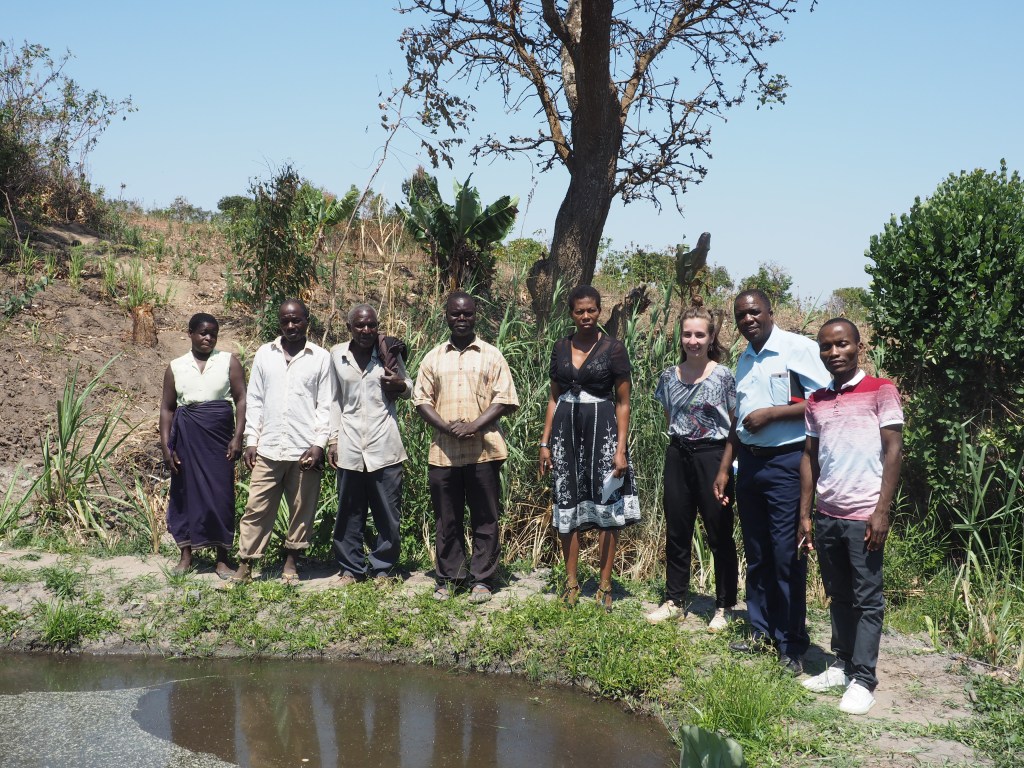
Community Fish Pond
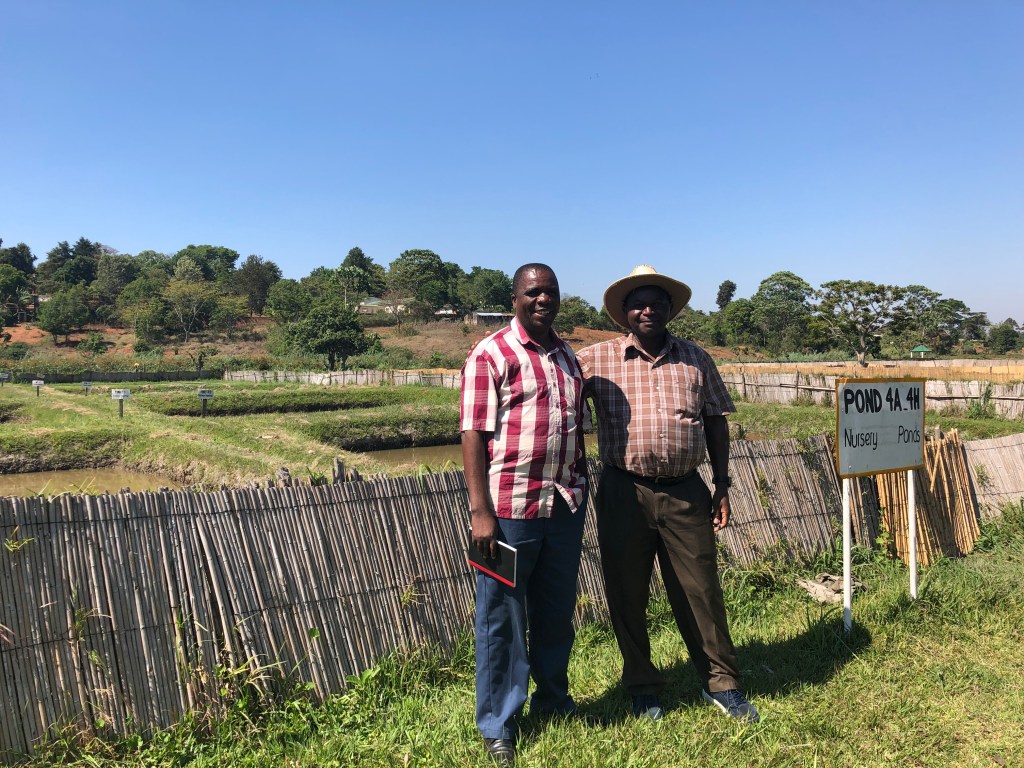
Action for Sustainable Development is funded by GIZ (German Society for International Collaboration). Despite my previous rantings, I came away feeling really positive about these two programmes. The key being that they are true community engagements. Malawians are skilled negotiators. Everything begins with an inclusive discussion. Hopefully, in time, a resolution is conferred and some action takes place. Sometimes I think the cycle kind of loops a bit at the negotiation stage. Still it is the essence of community engagement and really the only way to ensure sustainability. If the community don’t own the concept you can chuck unlimited money and resources at the project without success.
The fish farming starts with a community pond. The pond is prepared by hand. Yip hard labour. The earth base is spread with lime and then filled via a permanent, natural water source . Next comes the pig manure to encourage plankton and other fish edibles. When the water is nice and green it’s time for the fingerlings. This is the major stumbling block. They need 6 fingerlings per m2 at a cost of 50c each. Fish are harvested at 6-8 months and can cycle for 2-3 years before the entire pond needs to be drained, repaired and new genetic stock reintroduced. Quite a mission if you have zero income.
Once the community has seen the benefit they dig ponds for them selves. The nutrient rich water is used to irrigate crops and pigs kept for their manure become nutritious supplements to the cassava/maize meal staple . A fine example of permaculture.
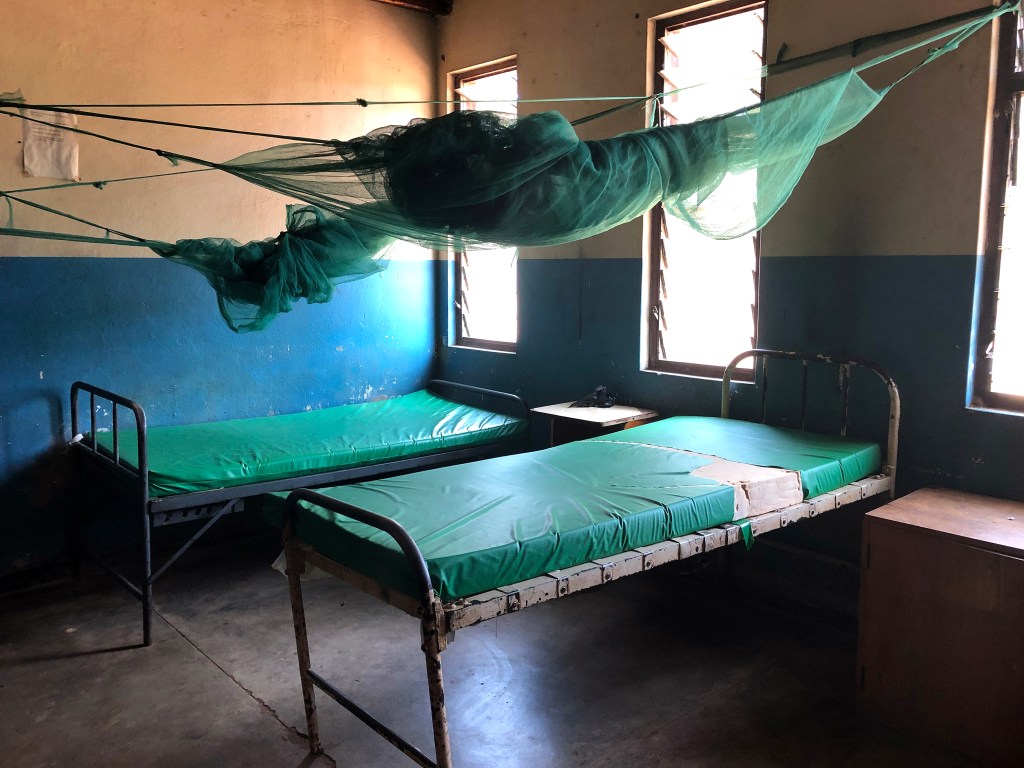
Postnatal ward 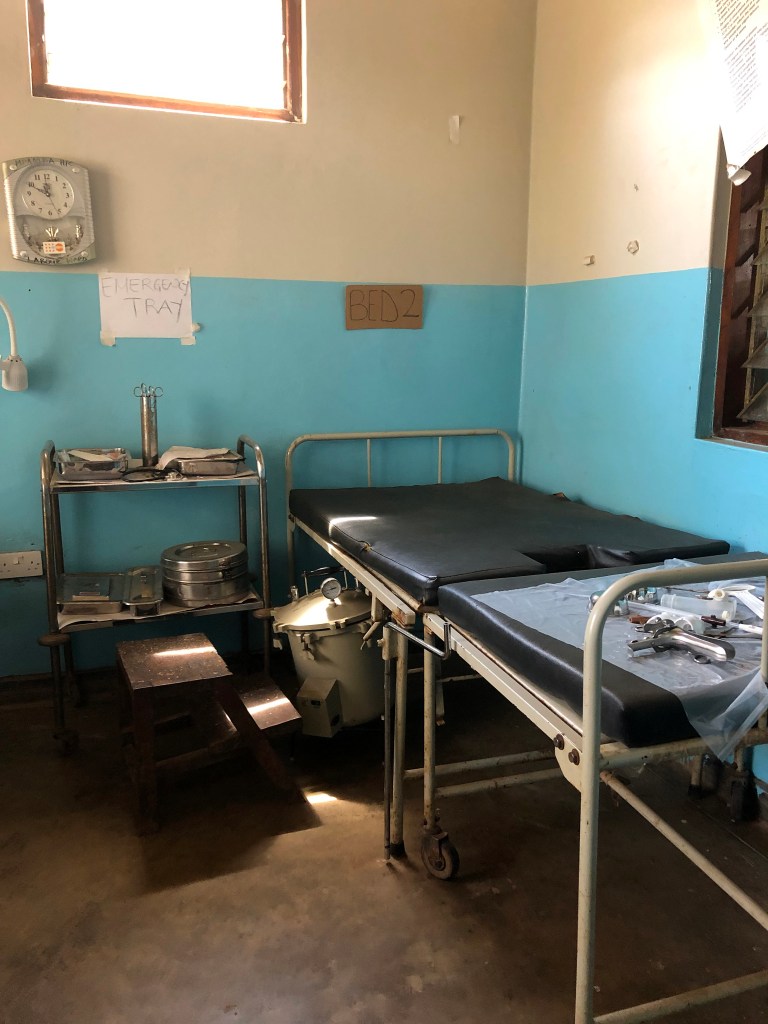
Delivery room 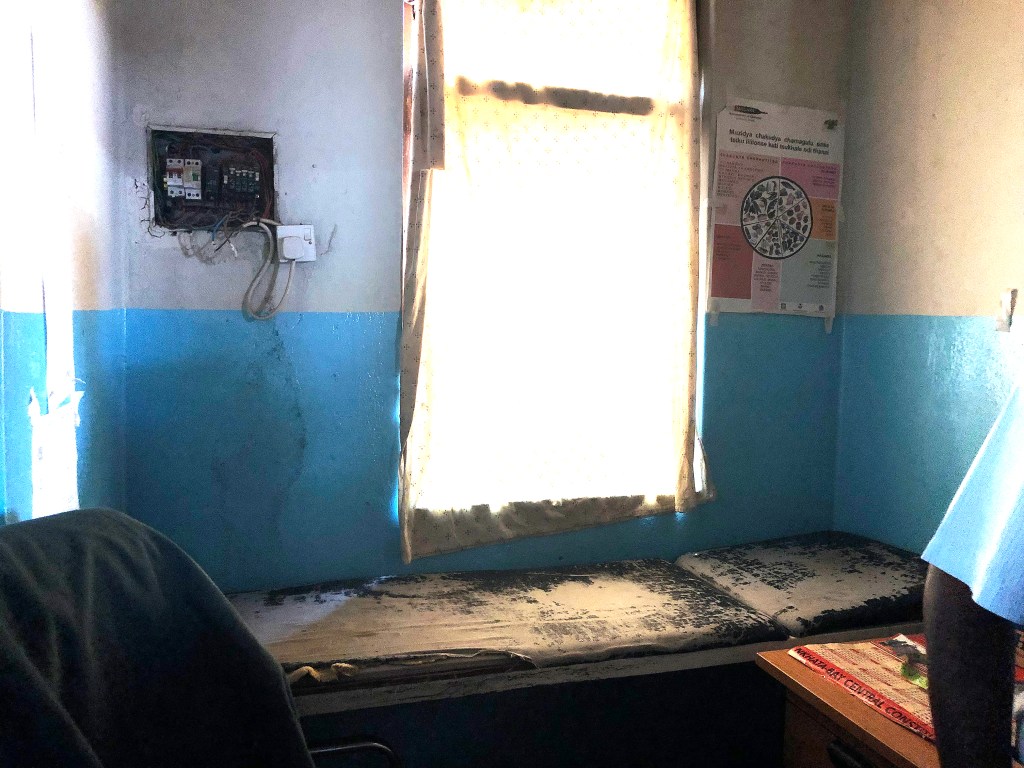
Midwife on call room/bed 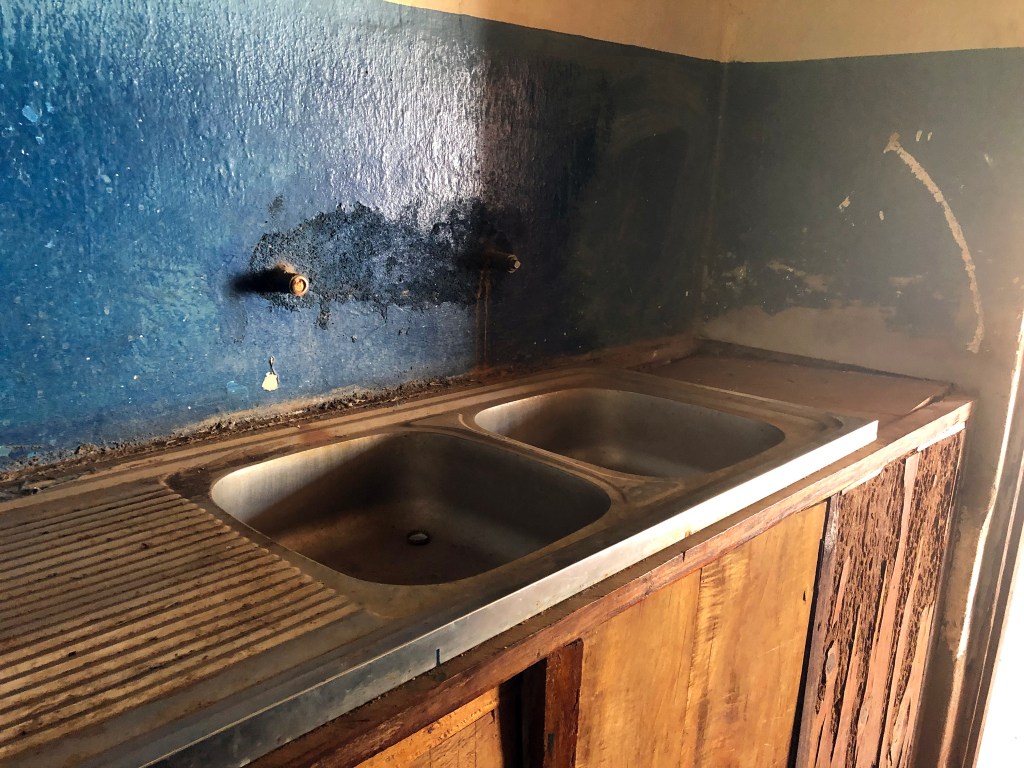
Wash hand basin Note the taps 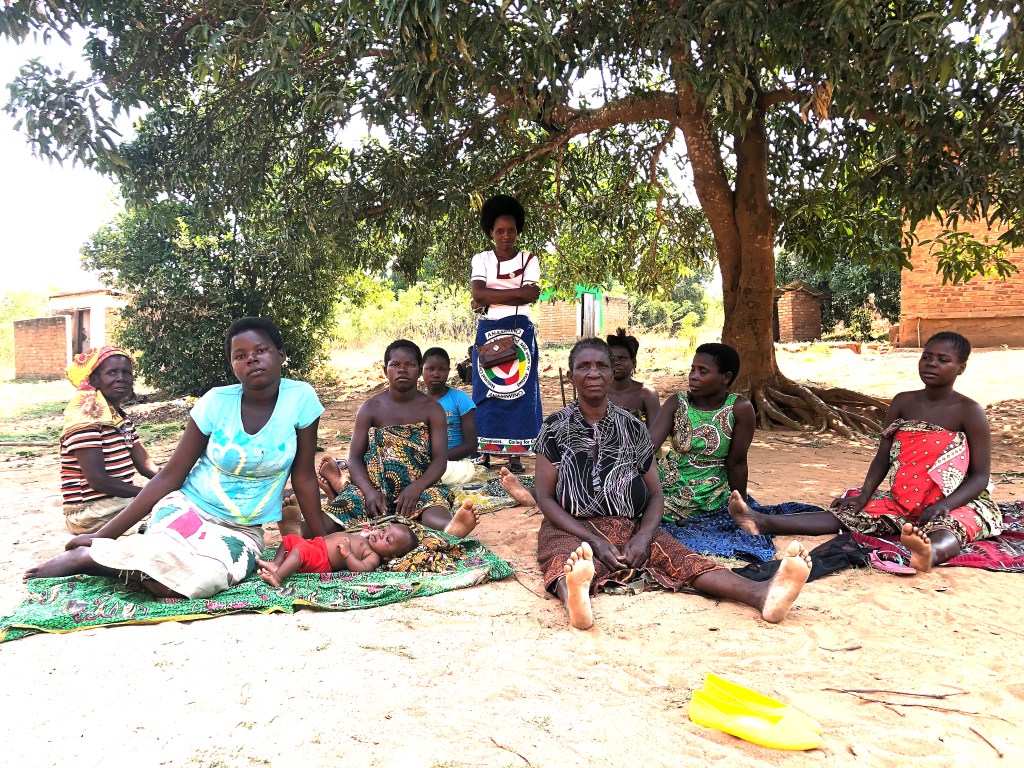
Mothers in waiting 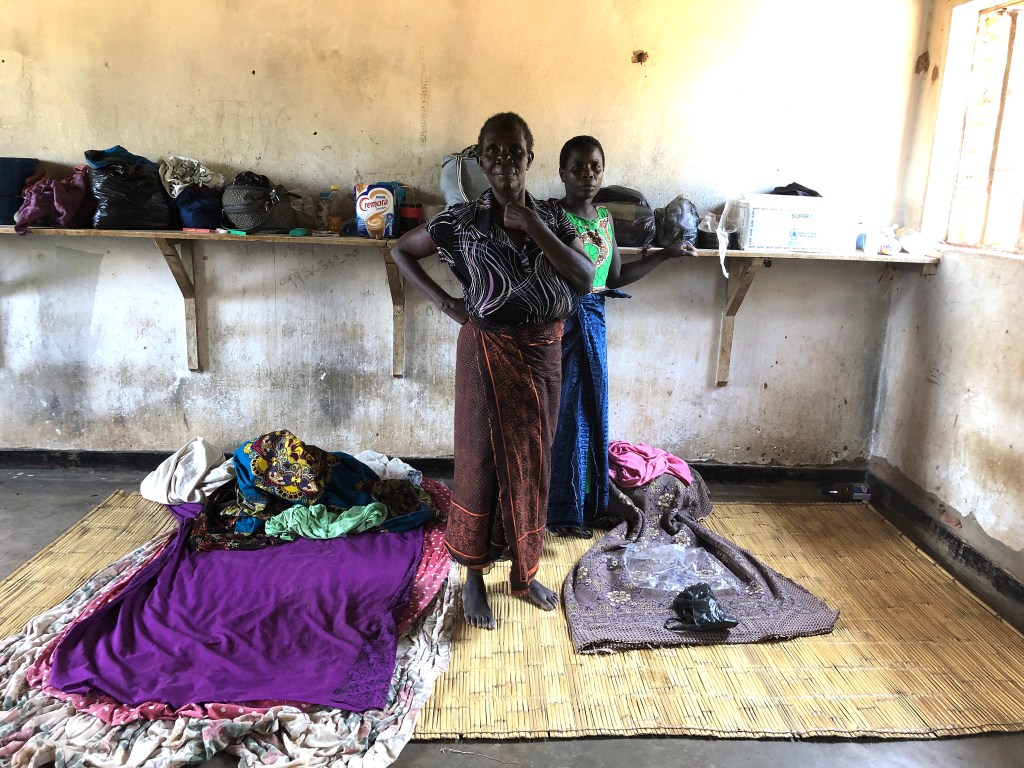
Accommodation
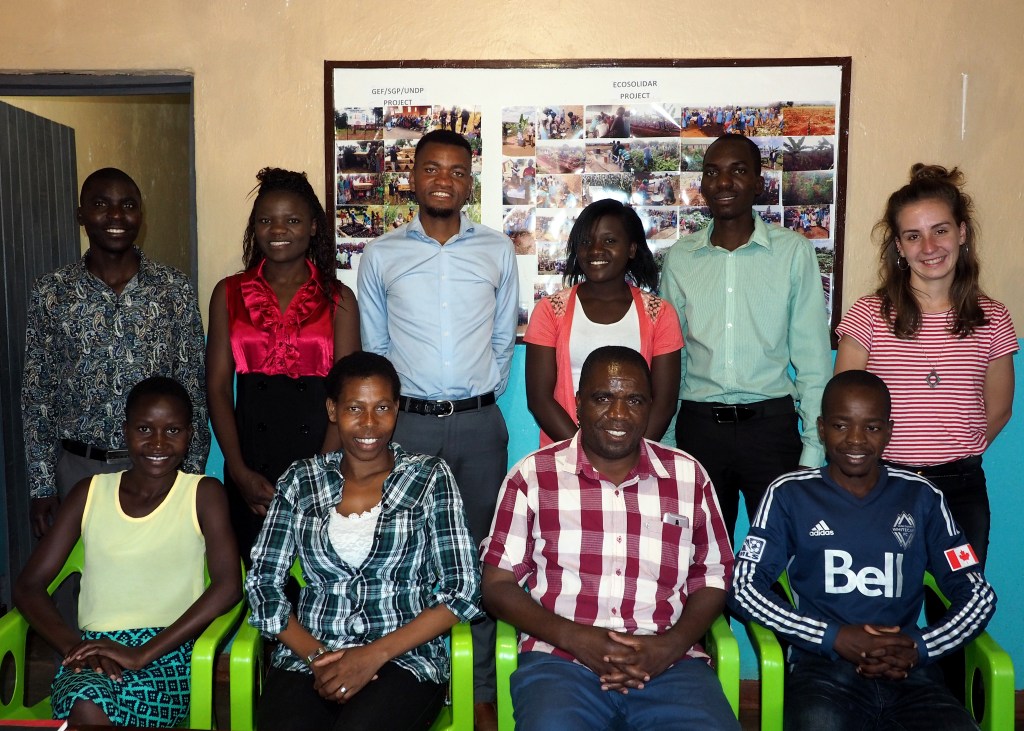
Next on the agenda, a trip to the neighouring village to meet with the staff involved with the community PMTCT project. This programme has a special interest for me as I was part of the initial role out of the same programme back in 2001. The group very proudly presented their projects and statistics. In 2 years they have managed to reduce number of mothers dropping out of the programme from a staggering 89% to an almost unbelievable 27%. How?
Basically by recruiting a team of volunteers who themselves are HIV positive. Their title, “expert clients”. These men, and women , young and old, devote their time to establishing trusted relationships with their communities. It takes time but it works. In this world of craziness actually what most people need is just to feel cared for.
What I really found interesting was the maternity facilities, or lack of them. This clinic is 10km away from a big state of the art District hospital. The clinic itself is an open structure with excellent ventilation ie no walls or doors. The examination rooms are private, with doors. Because of the rural setting, lack of transport close to term mothers have the option of booking into the “Expectant Mom suite”. The accommodation is basic to say the least. Cook your own food, outside. Bring all your own stuff. Oh and sleep on the floor. Was the facility empty? No. Six expectant mothers and two companions were in residence. Waiting, chatting, resting, cooking but when the time came they were 10m away from the delivery unit.
The delivery unit is staffed by an on call midwife. One midwife lives next door to the clinic so she can do call from home. The others sleep on the examination couch that is squeezed into the corner of the sister’s office. Dedication? Community spirit? Calling? Who knows but I can promise you wouldn’t find more than a handful of midwives in South Africa prepared to answer that calling, me included.
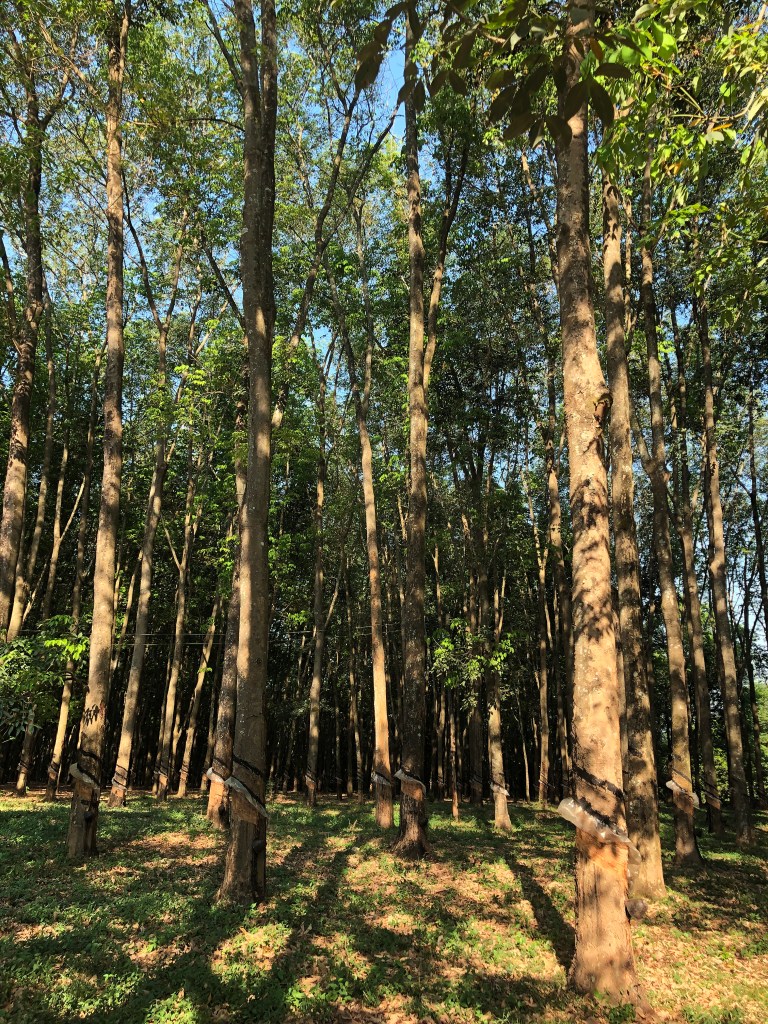
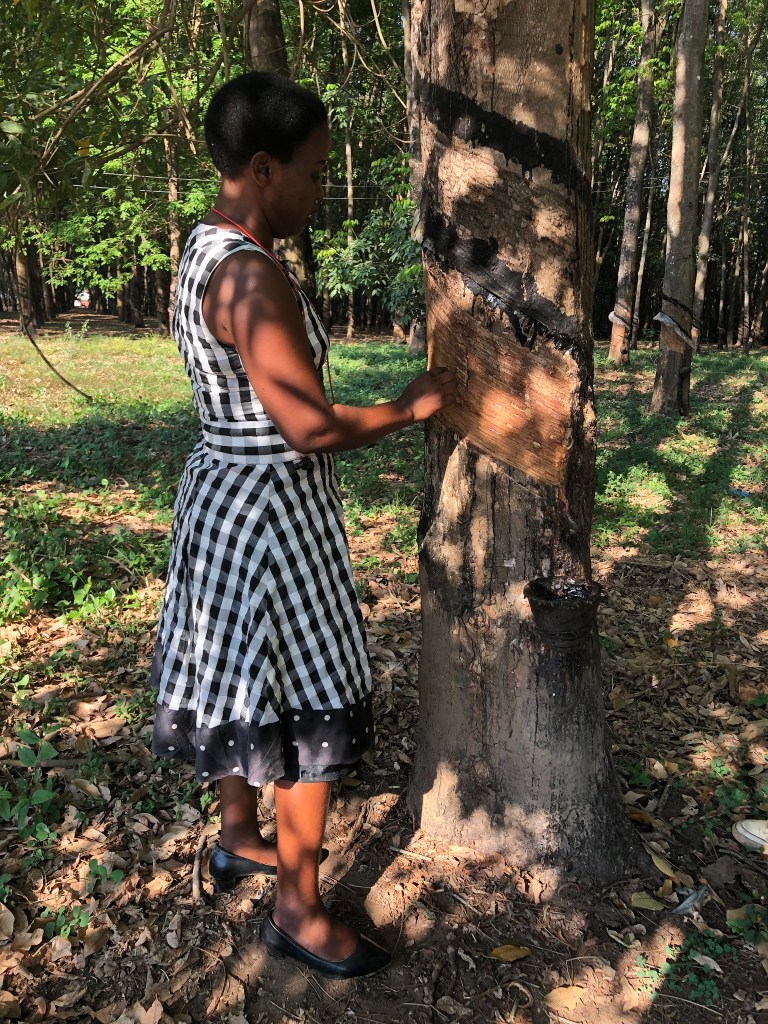
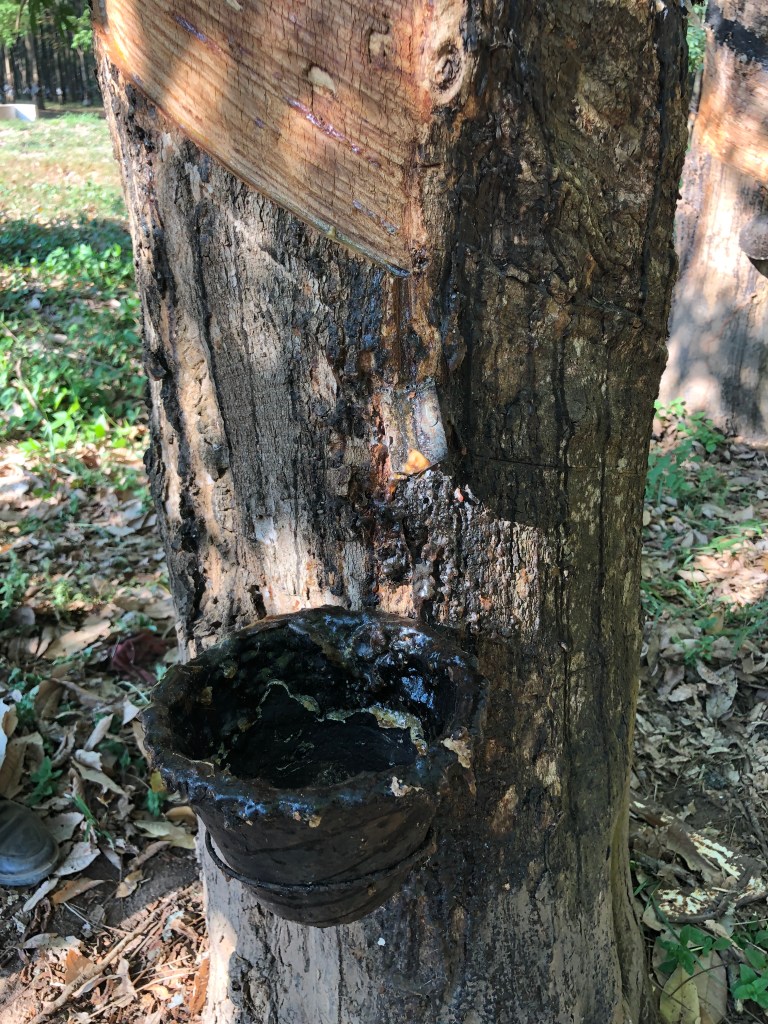
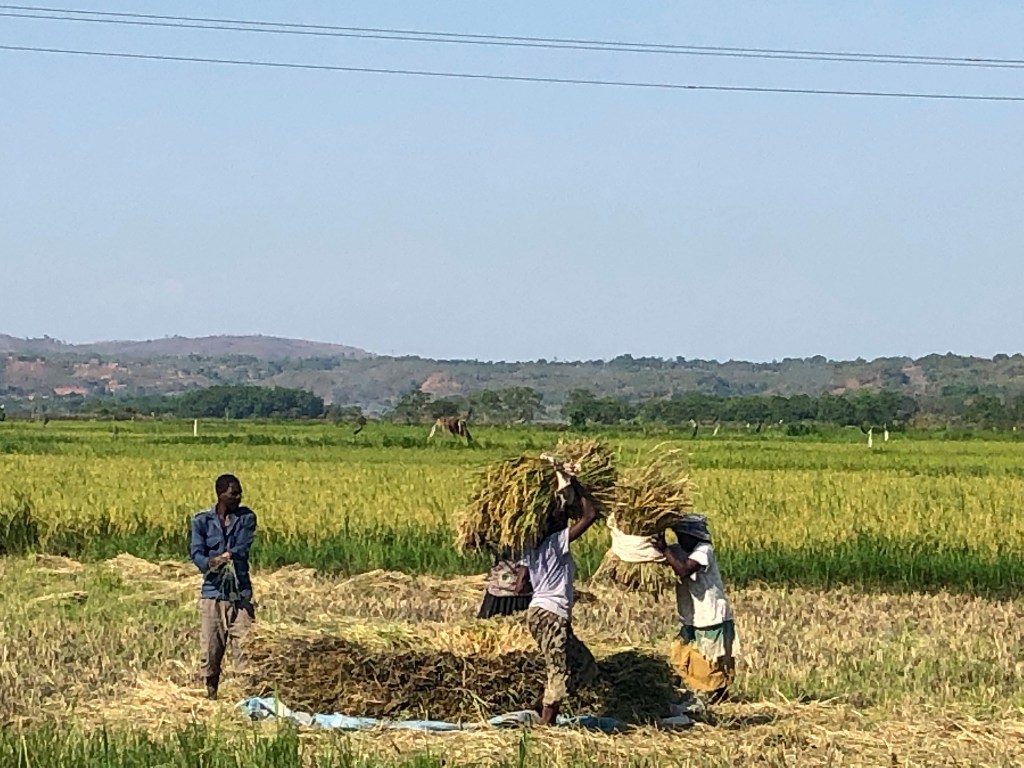
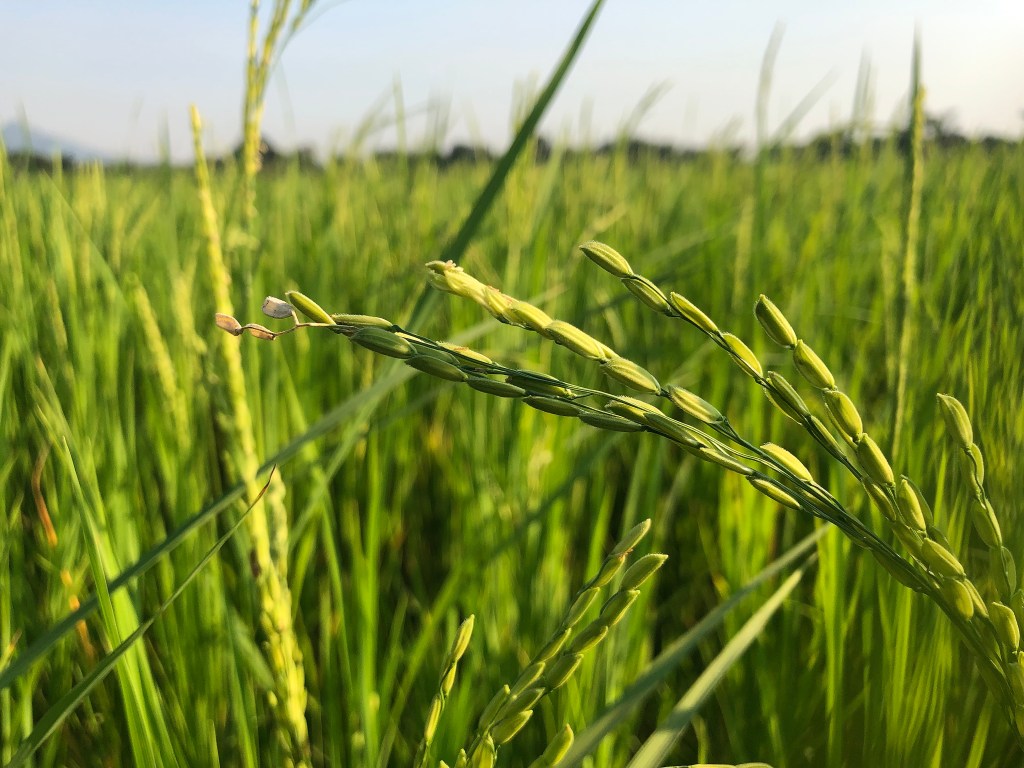
And what did you do for fun? We visited the rubber plantation. Super interesting. And stopped to chat with the cooperative farmers harvesting their rice.
School fees? I learnt so many valuable lessons that I simply had to contribute a few Kwacha towards some fingerlings. Money well spent.
 Gallivanting with Gailo
My heart is so sore for these expecting Mothers
LikeLike